We believe that AI could bring immense benefits to the world, provided that it’s developed safely and governed responsibly.
We bring together technical AI safety, policy, governance, and broader conversations about AI to ensure that increasingly capable AI systems remain aligned with human intentions and benefit all of humanity.
What is AI Safety?
01Technical alignment
First, it may be tricky to build safe, reliable, and steerable systems when those systems are starting to become as intelligent and as aware of their surroundings as their designers. To use an analogy, it is easy for a chess grandmaster to detect bad moves in a novice but very hard for a novice to detect bad moves in a grandmaster. If we build an AI system that’s significantly more competent than human experts but it pursues goals that conflict with our best interests, the consequences could be dire. This is the technical alignment problem.First,itmaybetrickytobuildsafe,reliable,andsteerablesystemswhenthosesystemsarestartingtobecomeasintelligentandasawareoftheirsurroundingsastheirdesigners.Touseananalogy,itiseasyforachessgrandmastertodetectbadmovesinanovicebutveryhardforanovicetodetectbadmovesinagrandmaster.IfwebuildanAIsystemthat’ssignificantlymorecompetentthanhumanexpertsbutitpursuesgoalsthatconflictwithourbestinterests,theconsequencescouldbedire.Thisisthetechnicalalignmentproblem.
Second, rapid AI progress would be very disruptive, changing employment, macroeconomics, and power structures both within and between nations. These disruptions could be catastrophic in their own right, and they could also make it more difficult to build AI systems in careful, thoughtful ways, leading to further chaos and even more problems with AI.Second,rapidAIprogresswouldbeverydisruptive,changingemployment,macroeconomics,andpowerstructuresbothwithinandbetweennations.Thesedisruptionscouldbecatastrophicintheirownright,andtheycouldalsomakeitmoredifficulttobuildAIsystemsincareful,thoughtfulways,leadingtofurtherchaosandevenmoreproblemswithAI.
All of our events are open to everyone. If you join our Slack, you’re considered a member! It’s where we share conversations, announcements, and opportunities. Come to an event or explore ways to get involved.
Upcoming Events
Join talks, reading sessions, and workshops from the CAIA community.
Subscribe to get events directly on your calendar.
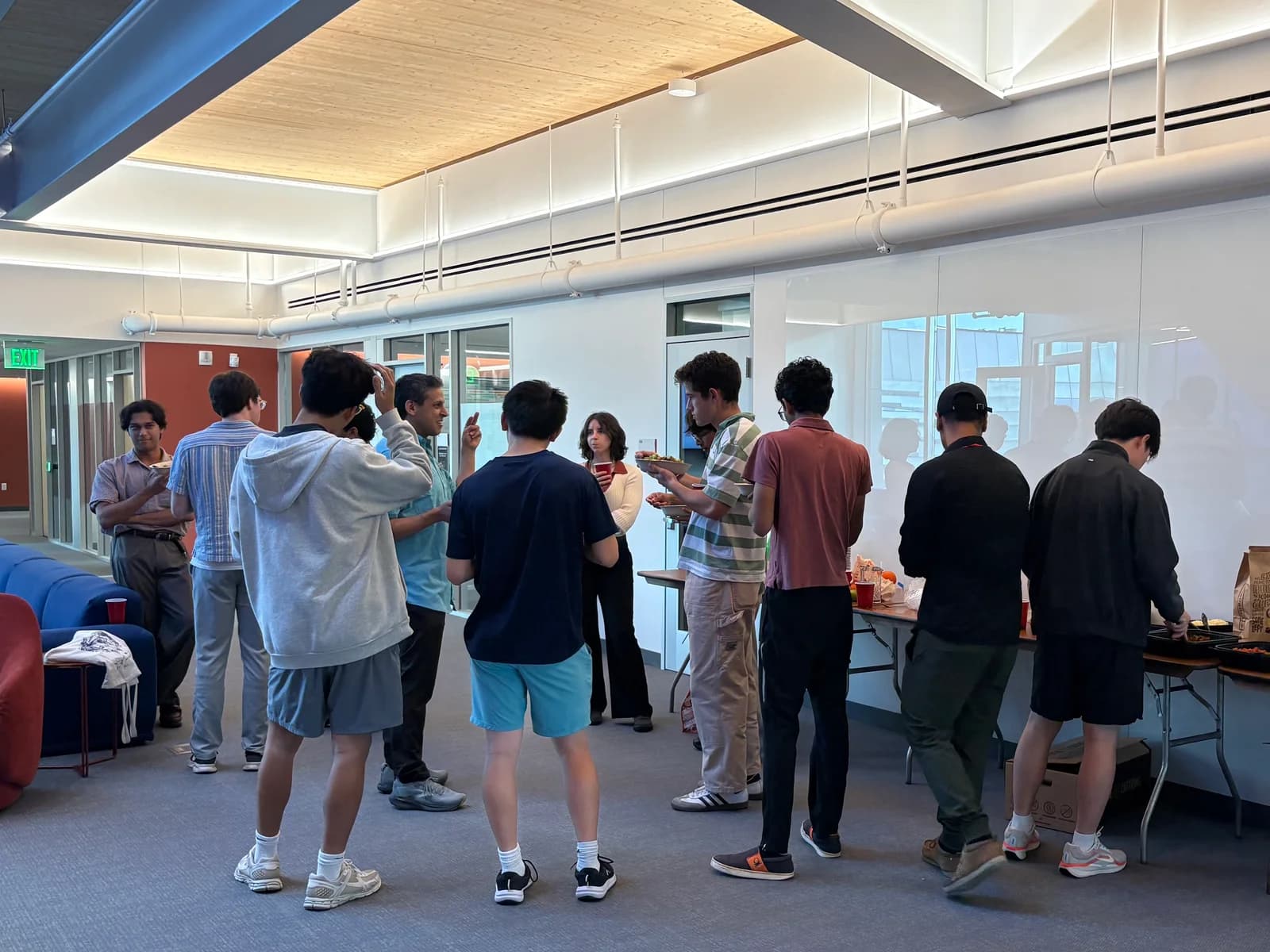
We welcomed new and returning members for mocktails and conversation at our open house. Thank you to everyone who came to meet the community and learn about getting involved in AI safety at Cornell.
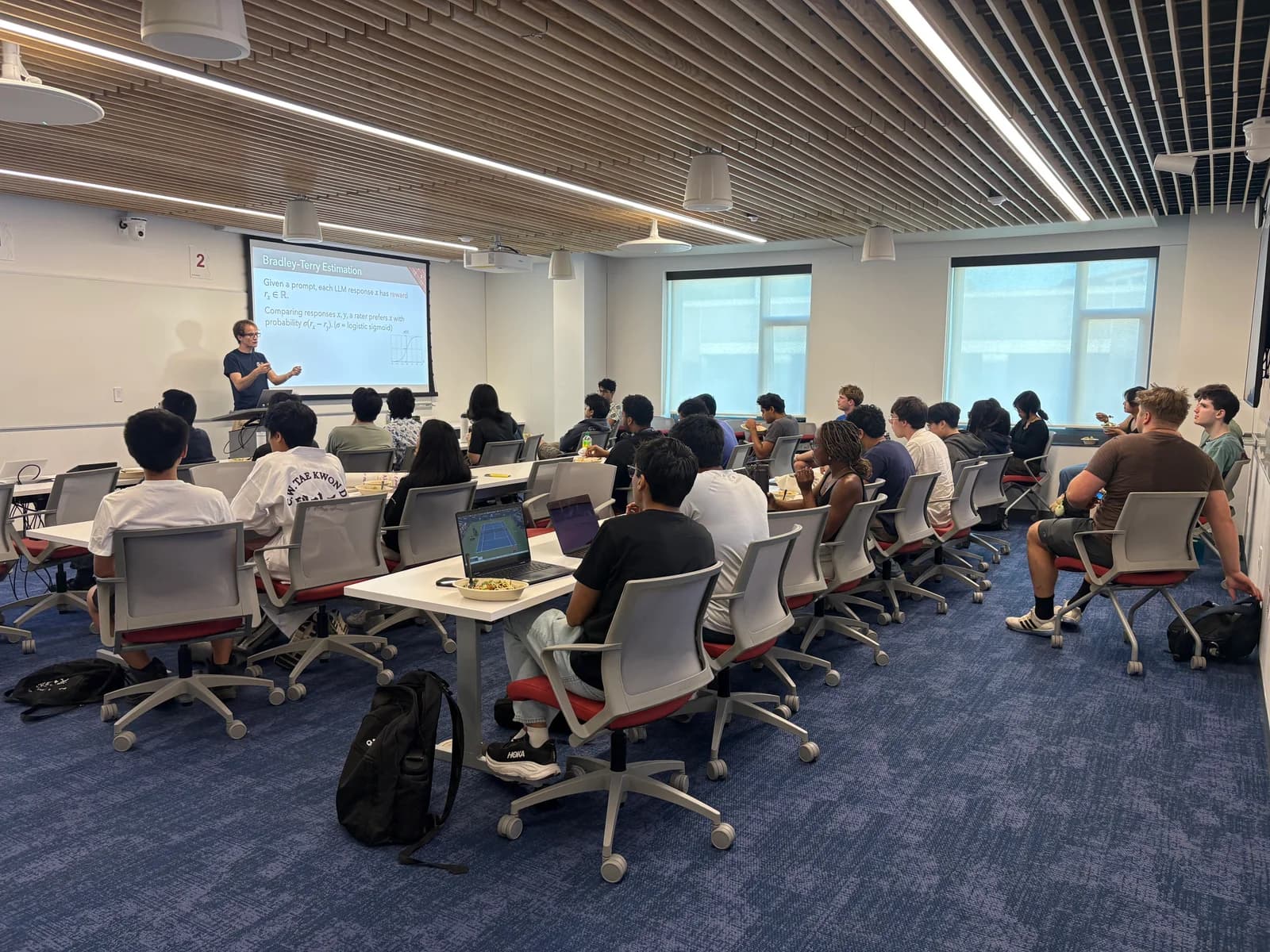
Prof. Paul Gölz joined CAIA to present Distortion of AI Alignment: Does Preference Optimization Optimize for Preferences? The talk explored how preference optimization can distort diverse human preferences and what this means for pluralistic AI alignment. Thank you to Prof. Gölz and everyone who joined the discussion.
CAIA members contributed to multiple papers accepted to ICML 2026 workshops, spanning pluralistic alignment, trustworthy AI, and mechanistic interpretability.
Governor Kathy Hochul signed the RAISE Act into law, establishing nation-leading AI safety requirements for frontier model developers. CAIA helped canvass support for the bill.